
Blog
Human Resources Management System
A Guide to Choosing the Perfect HR App.
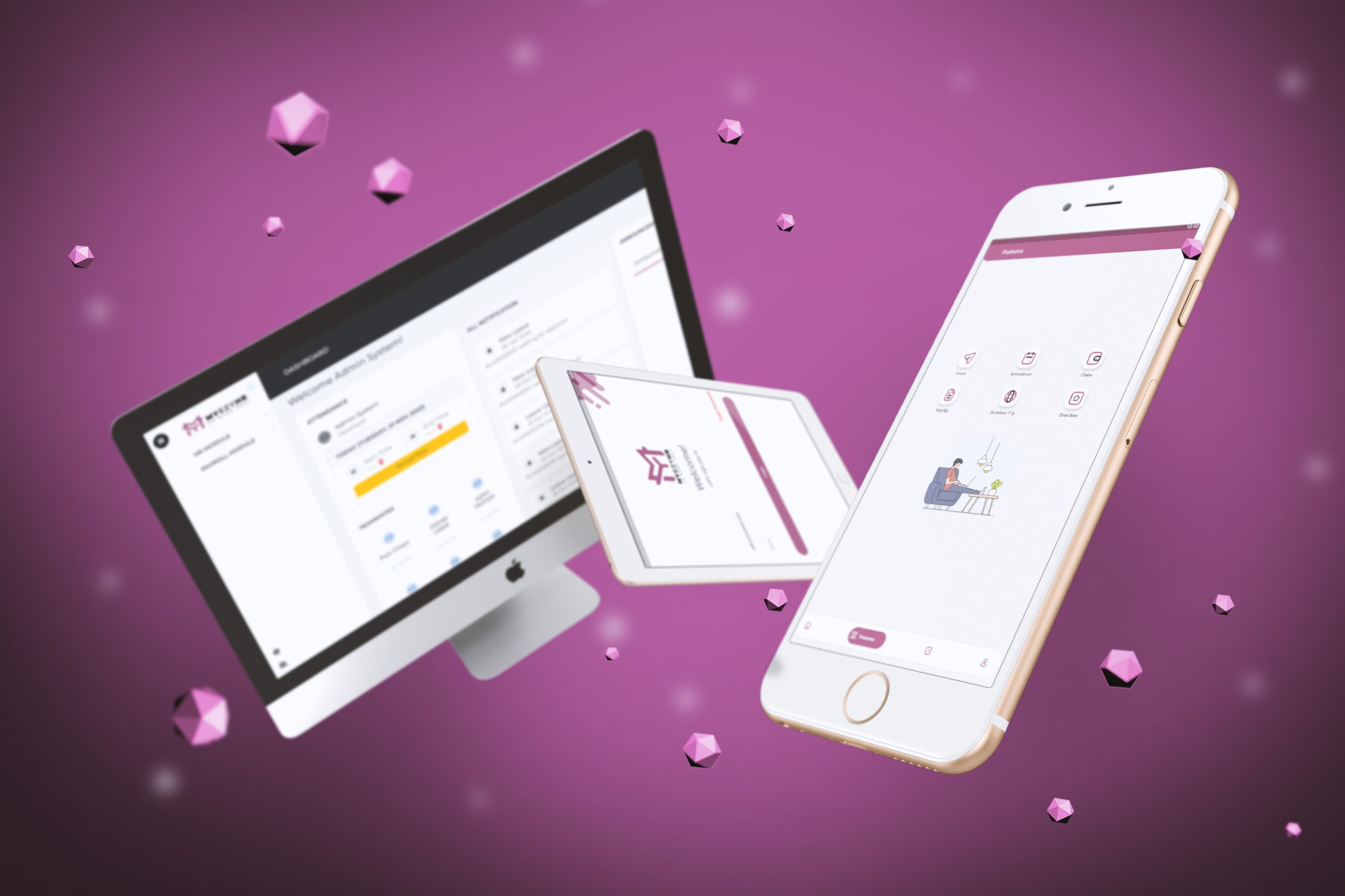
Navigating through the Human Resource Management System: A Guide to Choosing the Perfect HR App.
In the ever-evolving landscape of human resources, the right technology can be the catalyst for positive change within an organization. As businesses grapple with the complexities of managing their most valuable asset which are their peoples, choosing the perfect HR app becomes a strategic imperative. Join us on a journey through the key considerations that will empower your organization to make an informed and transformative decision.
What are HR Apps?
HR apps, short for Human Resource Management System (HRMS) or Human Capital Management (HCM) software, are digital platforms designed to centralize and automate HR processes. These applications serve as a one-stop-shop for managing various aspects of HR functions, from employee data management to recruitment, payroll, and performance evaluation. HR apps bring cohesion to the intricate tapestry of HR activities, providing a comprehensive solution that adapts to the evolving needs of modern workplaces.
Key Features of HR Apps:
- Employee Data Management:
• Centralized Repository: HR apps act as a centralized hub for storing and managing employee data, ensuring quick and secure access to information such as personal details, work history, and performance metrics. - Time and Attendance Tracking:
• Remote Work Support: With the rise of remote work, HR apps enable organizations to track employee work hours and attendance regardless of location. - Employee Self-Service Portal:
• Autonomy: Empowers employees to manage their personal information, request time off, and access important documents through self-service portals. - Payroll Processing:
• Automation: HR apps automate payroll calculations, reducing manual errors and ensuring timely and accurate payroll processing. - Mobile Accessibility:
• Flexibility: Allows users to access HR functions on mobile devices, catering to the needs of a mobile and remote workforce. - Data Analytics and Reporting:
• Insightful Reporting: Provides robust analytics tools for extracting meaningful insights from employee data, aiding in decision-making. - Performance Management:
• Goal Setting: Allows for the establishment and tracking of individual and team goals. • Feedback Mechanisms: Provides a platform for continuous feedback and performance evaluations. - Cybersecurity and Data Protection:
• Data Security Measures: Implements robust cybersecurity features to protect sensitive employee information from unauthorized access. - Customization Options:
• Check if the HRMS allows for customization to meet your specific organizational needs. One size does not fit all, and adaptability is key. - Cost Efficiency:
• Automation and efficiency brought about by HR apps lead to cost savings in terms of time, resources, and potential legal expenses.
In essence, HR apps are the backbone of modern HR management, combining a multitude of features to create a cohesive, efficient, and strategic approach to workforce management. As organizations continue to evolve, these applications stand as essential tools, driving HR's transformation from a support function to a strategic partner in achieving overall business success.