
Blog
Mobile Apps Development
How to develop mobile apps?
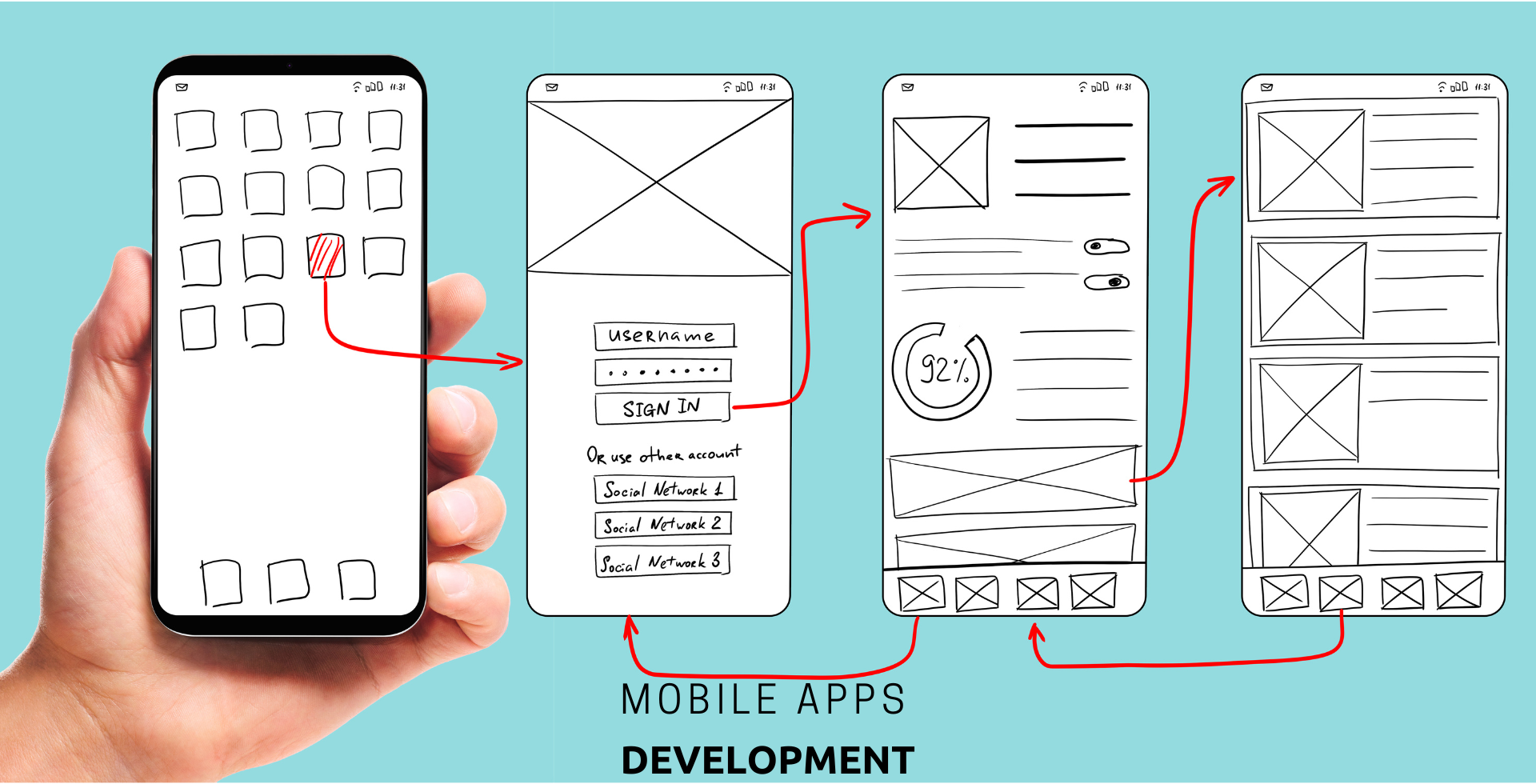
Mobile apps have become an essential part of our daily lives, with millions of people using them to stay connected, entertained, informed, and productive.
As a result, mobile app development has become a booming industry, with businesses and developers alike racing to create the next big app.
Developing a mobile app requires a multi-step process that involves planning, design, development, testing, and deployment. Here are some key steps involved in mobile app development:
- Planning: This involves defining the app's purpose, target audience, features, and functionality. It also includes creating a wireframe or prototype of the app's user interface.
- Design: This involves creating the visual design of the app, including the user interface, graphics, and animations.
- Development: This involves coding the app using a programming language such as Java, Swift, or Kotlin. It also involves integrating the app with various APIs and backend systems.
- Testing: This involves testing the app for bugs, errors, and usability issues. It also involves conducting user testing to gather feedback and improve the app's user experience.
- Deployment: This involves publishing the app to the app stores and making it available for download by users.
Mobile app development requires a wide range of skills, including programming, user experience design, and project management. It's also important to stay up-to-date with the latest trends and technologies in the mobile app industry, such as cloud-based development, artificial intelligence, and virtual and augmented reality.
Overall, mobile app development is a complex process that requires careful planning, technical expertise, and a deep understanding of user needs and preferences. However, with the right tools and approach, it can be a rewarding and lucrative field for developers and businesses alike.
How our software development workflow works


Planning
Our tasked is tasked is creating a new solution to the problem.

Analysis

Design

Development
software is assembled that involves a
variety of processes, including coding,
setting up infrastructure, and creating documentation on how the system works.

Testing and Integration
being released to the public.